Understanding the Sales Cycle: A Key to Business Success
In the realm of business, the sales cycle plays a pivotal role in transforming leads into valuable customers. This article aims to demystify the concept of the sales cycle, its stages, and why it's crucial for any organization striving for growth.
What is the Sales Cycle?
The sales cycle refers to the series of steps a potential customer goes through before making a purchase from your business. This process helps businesses understand, manage, and improve their interactions with potential customers, ultimately driving sales growth.
Stages of the Sales Cycle
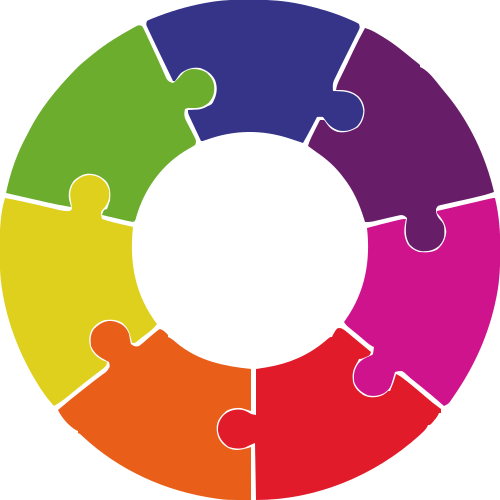
Prospecting: This is the initial stage where you identify and reach out to potential customers. It could involve cold calling, emailing, social media engagement, or networking events.
Qualifying: Once you've made contact with a prospect, it's essential to determine if they are a good fit for your product or service. This stage involves understanding their needs, budget, decision-making process, and authority to make purchases.
Needs Analysis: During this phase, you delve deeper into the prospect's requirements and pain points. By understanding their specific needs, you can tailor your pitch accordingly and demonstrate how your product or service solves their problems.
Proposal/Presentation: After gathering necessary information about the prospect, you present a proposal that outlines how your product or service meets their needs. This may involve creating a customized solution, providing a detailed quote, or demonstrating a product.
Objection Handling: It's common for prospects to have objections or concerns about making a purchase. At this stage, you address these objections by providing solutions or additional information that alleviate any doubts they might have.
Closing: After addressing all objections and presenting a compelling argument, you move towards the closing stage. This is where you ask for the sale and finalize the deal.
Follow-up and Retention: Post-sale, it's crucial to maintain a relationship with your customer to ensure satisfaction and encourage repeat business. This could involve providing excellent customer service, asking for feedback, or offering additional products/services that complement their initial purchase.
Why the Sales Cycle Matters
Understanding and effectively managing the sales cycle can lead to increased sales, improved customer relationships, and overall business growth. By mapping out the process, businesses can identify areas for improvement, streamline their approach, and ultimately close more deals. Furthermore, by understanding the needs of their customers at each stage of the cycle, businesses can create personalized experiences that foster loyalty and repeat business.
In conclusion, mastering the sales cycle is a key strategy for any business looking to thrive in today's competitive marketplace. By breaking down the process, addressing potential objections, and nurturing customer relationships, businesses can drive growth, improve customer satisfaction, and ultimately achieve success.